
Creating renewable energy from farm waste
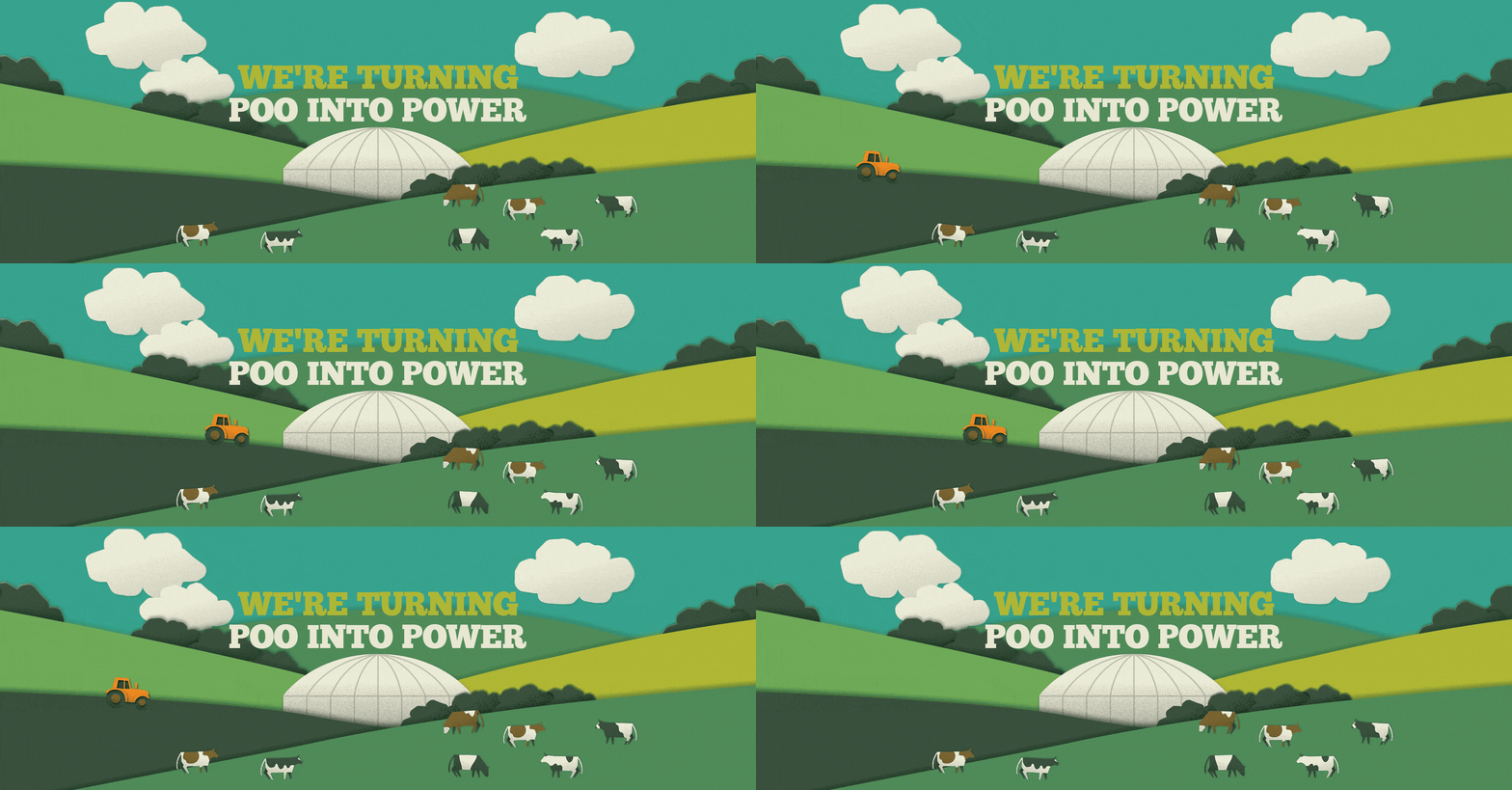
We harness naturally occurring processes to turn organic waste materials into renewable energy. We use an innovative mixture to feed our AD plant, consisting predominantly of cattle dung.
Anaerobic Digestion produces renewable energy using organic matter.
What is an AD Plant?
Bacteria break down the organic inputs to create gas, which is burned to create electricity.
How does it work?
It enables us to use our cattle dung to create energy, solving our waste problem.
Why do we have one?
The electricity generated is 100% renewable, at a lower cost than other sources.
What are the benefits?
50 tonnes
the amount of manure our cattle herd produce every day
1520 acres
the area of land used for arable crops. 640 acres feed the AD Plant, the cows eat the rest!
18 tonnes
the amount of maize silage the plant is fed every day - down from 45 tonnes in 2023
1.3 mW per hour
the amount of electricity Willowglen can generate in an hour (enough to boil about 800 kettles)
8,000 kW per hour
the amount of heat Willowglen generates in an hour
100%
the amount of Willowglen’s electricity output used at Greendale Business Park and Farm Shop
2 acres
the footprint of two new storage sheds designed with roofs to harvest rainwater for use at the AD plant
500,000 litres
new storage capacity built to hold rainwater harvested from the new sheds
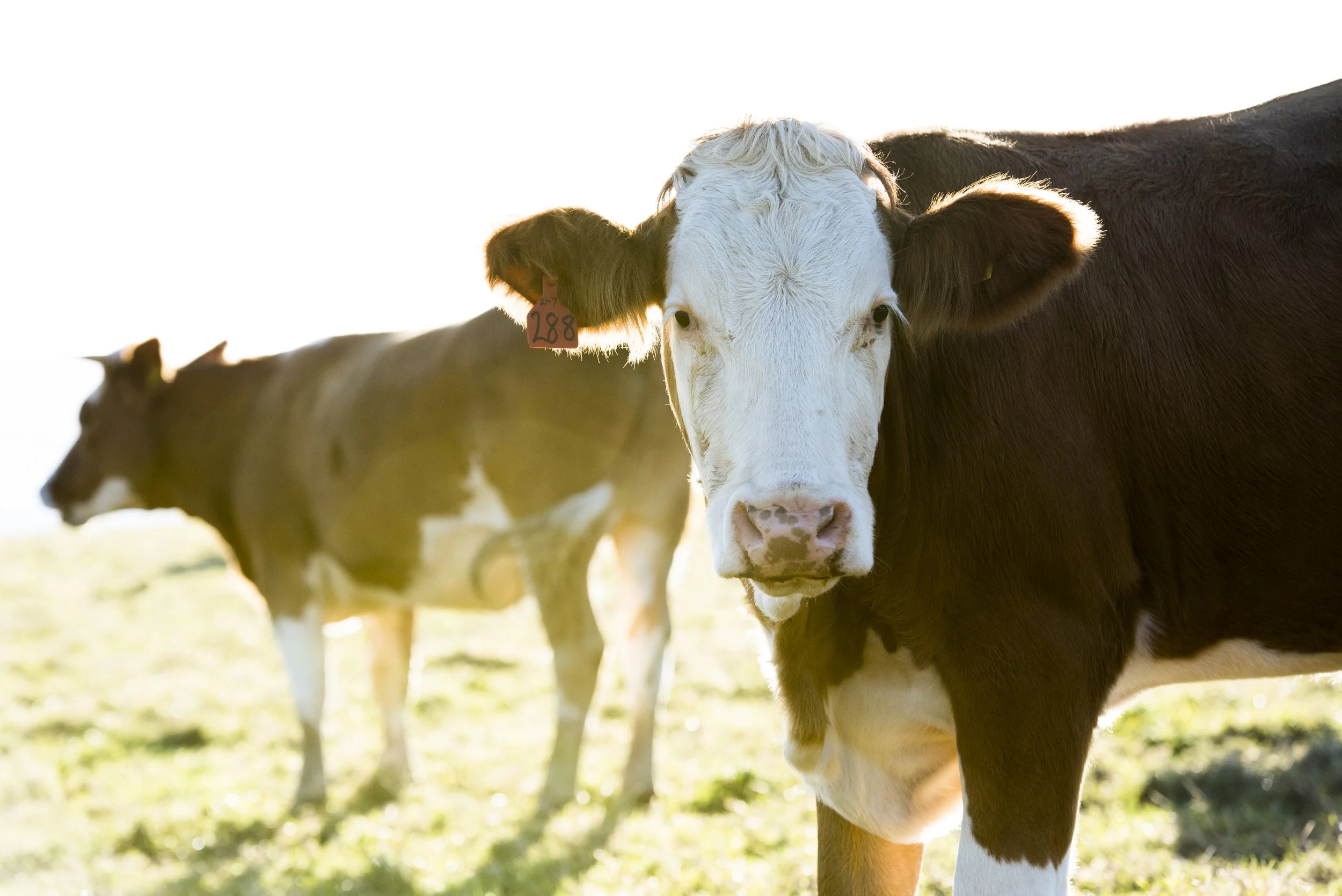
We collect 50 tonnes of cow poo per day - a crucial ingredient for the AD plant
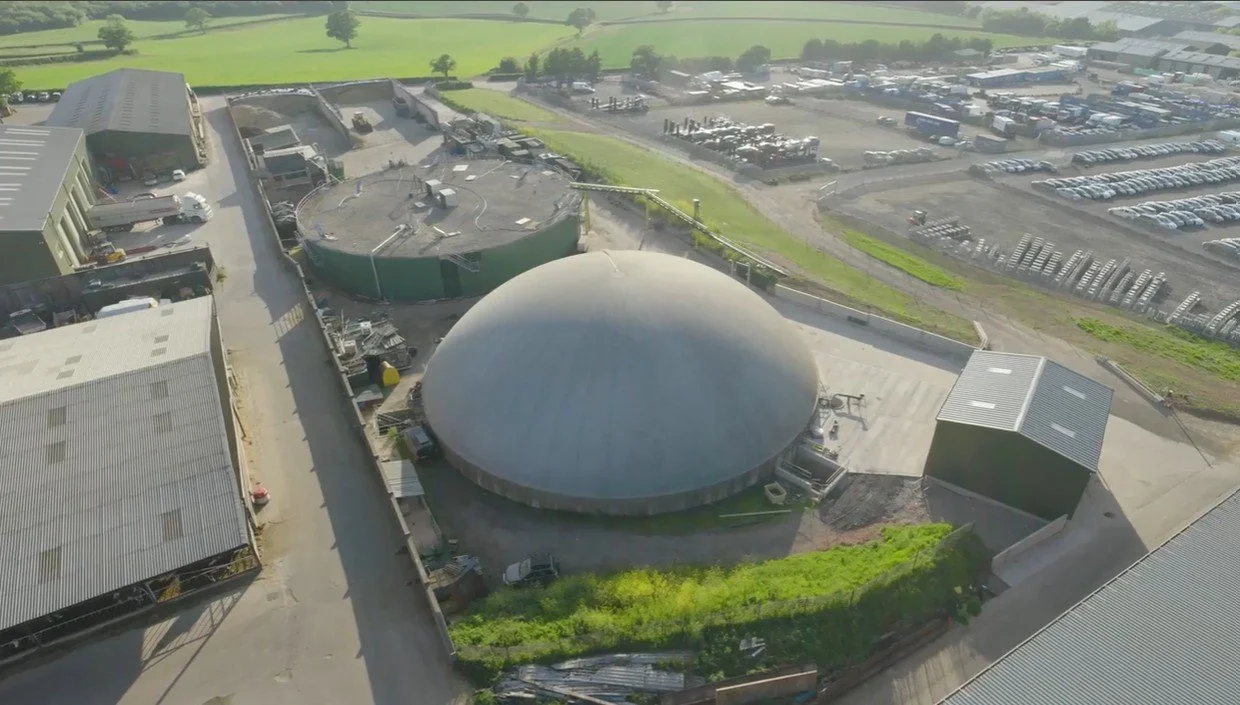
What is an AD Plant?
It’s a specially-designed building, with a large, airtight digestion chamber (that’s the dome-shaped bit) where the organic matter goes in. It’s dark and hot inside the chamber, and special bacteria work quickly to break down the organic matter into biogas and solids. The gas is sent to the second part of the plant, the cogeneration unit, where it’s burnt to produce heat and energy.
How does it work?
We collect manure and soiled bedding from our cattle, and grow crops specifically for use in the AD plant (typically maize, rye or other grasses). This material is chopped into a 50/40 mix of manure and cropped plant matter, then blended with rainwater we’ve collected – this is known as input or feedstock. The feedstock is pumped into the AD plant digestion chamber, a dark, heated, oxygen-free environment where bacteria break down the feedstock to produce biogas and solids (digestate). The biogas is piped to the cogeneration unit and converted into heat and electricity. The digestate is collected and recycled as more feedstock mixture, or used as organic fertiliser.
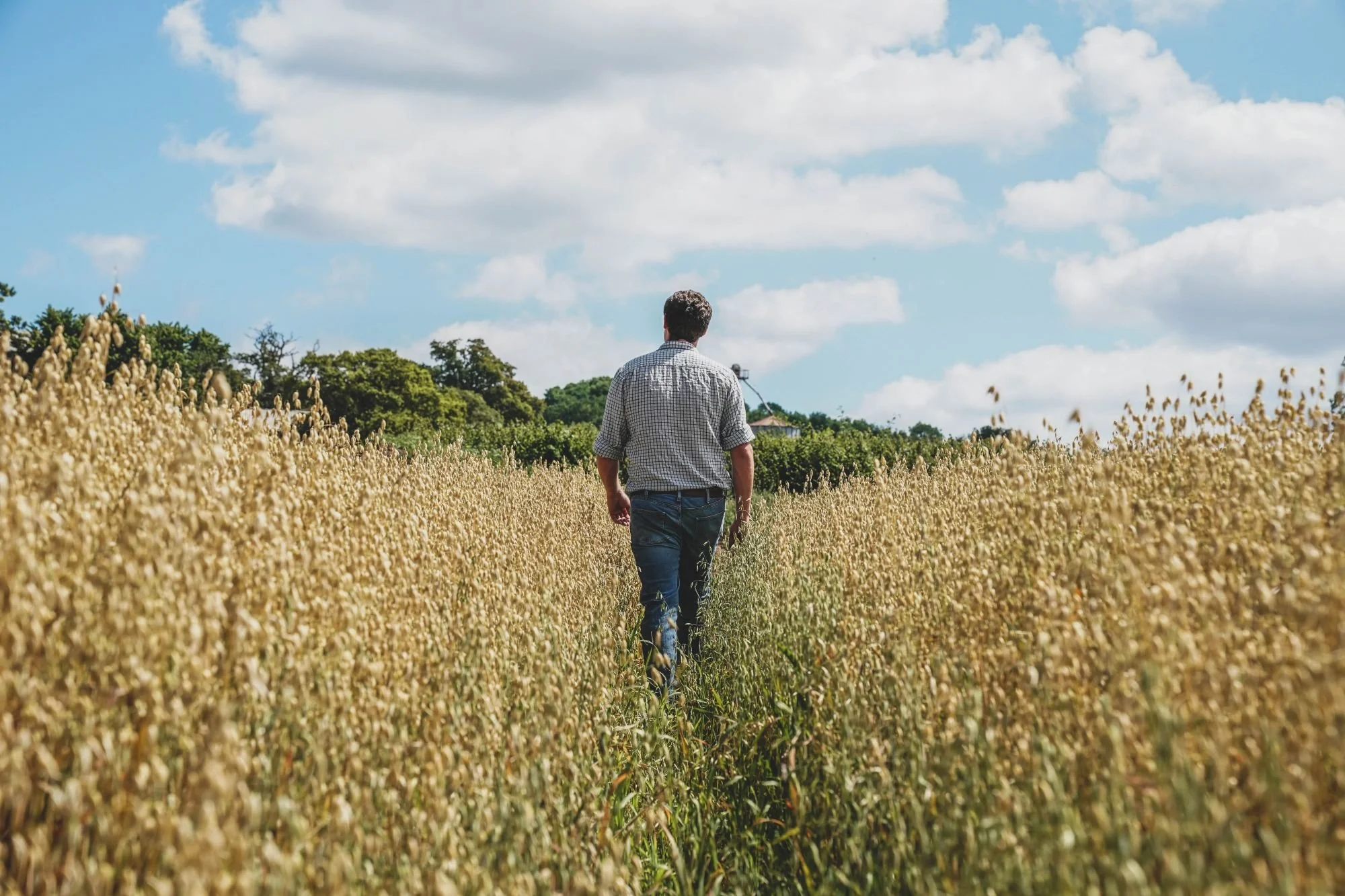
Meet Tom
Our expert nutritionist, from livestock to AD Plants
Learn how Tom transitioned our AD plant input away from arable crops to cattle dung
Why have an
AD plant?
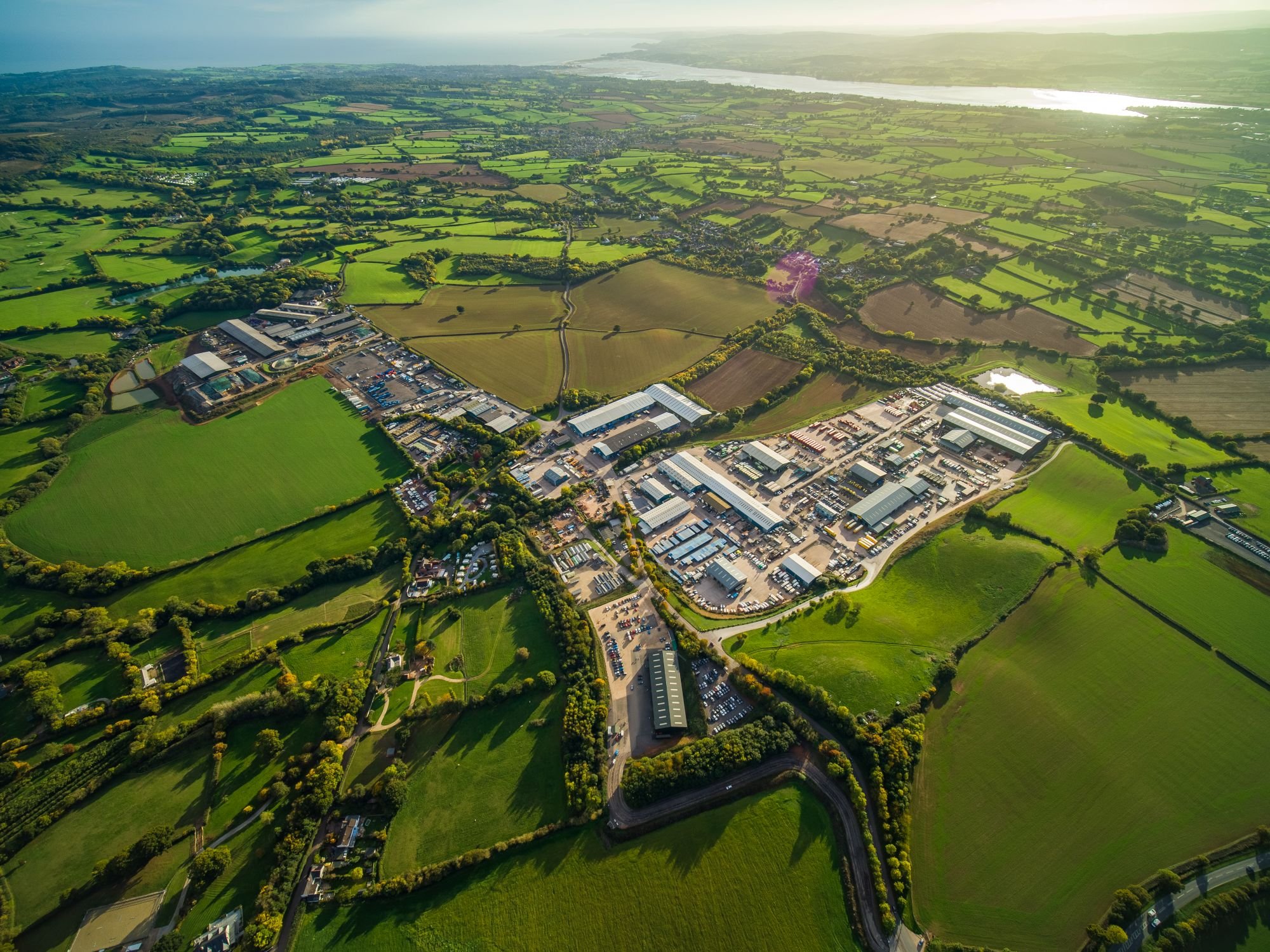
Willowglen Renewables is owned by Greendale Group and based on the Greendale Business Park, home to several enterprises that all feed into one another, forming a mini ‘circular economy’. Greendale’s farming enterprise produces the arable crops and manure that feeds Willowglen’s AD Plant, which generates power for the Business Park and Greendale Farm Shop.
We grow 640 acres for the AD plant – the cows eat the rest!
What are the benefits?
Anaerobic digestion (AD) plants are a great way to turn waste into clean energy. AD Plants help to reduce greenhouse gas emissions by diverting organic waste from landfills, they generate biogas, a sustainable fuel that is easy to store and ready to be used whenever needed. AD Plants also produce nutrient-rich digestate, an excellent alternative to chemical fertiliser and help with Soil Replenishment, with the microbial activity and nutrients in digestate enhances soil fertility and structure.